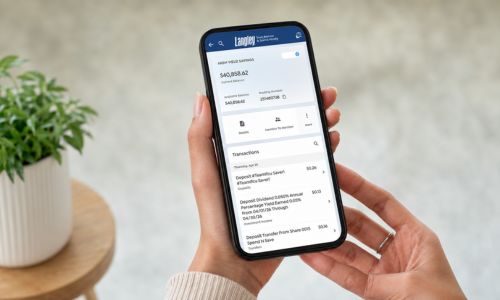

Your savings account should be working as hard as you do. In 2026, the difference between a traditional savings account earning 0.01% APY and a high-yield option earning 3% or more can mean hundreds of dollars in your pocket each year. Whether you're building your first emergency fund, optimizing mid-career savings, or parking cash safely as you approach retirement, understanding how to maximize your savings account interest is essential. The good news: you don't need to take on additional risk or sacrifice liquidity to earn more. This guide breaks down exactly how high-yield savings works, compares your options, and delivers seven actionable strategies to help Virginia savers get the most from every dollar.
What Is a High-Yield Savings Account and Why Does APY Matter?
A high-yield savings account functions like a traditional savings account but pays significantly more interest on your deposits. While the national average savings rate hovers around 0.45% according to the FDIC's national rate data, high-yield accounts at credit unions and online institutions often pay 3% APY or higher.
APY, or annual percentage yield, represents the total amount of interest you earn on a deposit over one year, including the effect of compounding. This matters because two accounts advertising the same interest rate can deliver different returns depending on how often interest compounds. A high-yield savings account with daily compounding will outperform one with monthly compounding, even at identical stated rates.
For savers evaluating options, APY provides an apples-to-apples comparison. When you see an account advertising 3.60% APY, that figure already accounts for compounding, making it the most reliable number to compare across institutions.
How Compounding Frequency Affects Your Savings Growth
Compounding is what transforms modest interest rates into meaningful growth over time. When your account compounds, you earn interest not just on your original deposit but also on the interest already credited to your account.
Here's how compounding frequency changes your outcome on a $10,000 deposit at 3.60% interest over one year:
- Annual compounding: $10,360 at year's end
- Monthly compounding: $10,366.00
- Daily compounding: $10,366.54
The difference may seem small over a single year, but it compounds further over time. On a $50,000 balance held for five years, daily compounding at 3.60% yields approximately $189 more than annual compounding at the same rate.
When comparing accounts, look beyond the headline rate. Ask how often interest compounds and when it credits to your account. Most high-yield savings accounts compound daily and credit monthly, which maximizes your growth while giving you regular visibility into your earnings.
High-Yield Savings vs. Money Market Accounts vs. Certificates
Choosing the right savings vehicle depends on how you plan to use your money. Each option offers distinct advantages.
High-yield savings accounts provide full liquidity with competitive rates. You can withdraw funds at any time without penalty, making them ideal for emergency funds or short-term savings goals. Federal regulations previously limited withdrawals to six per month, but many institutions have relaxed these restrictions.
Money market accounts often pay rates comparable to high-yield savings and may include check-writing privileges or debit card access. They typically require higher minimum balances to earn the best rates or avoid fees. If you need occasional direct access to your savings for large purchases, a money market account offers that flexibility.
Certificates lock your money for a fixed term, ranging from three months to five years or longer, in exchange for a guaranteed rate. Early withdrawal typically triggers a penalty. Certificate savings make sense when you have funds you won't need until a specific date and want to lock in today's rates against potential future declines.
For most savers, a combination works best: a high-yield savings account for liquid emergency funds, with certificates laddered for longer-term goals where you can sacrifice access for higher guaranteed returns. Langley offers both high-yield savings and certificate savings that support this approach.
Building an Emergency Fund With High-Yield Savings
Financial experts consistently recommend maintaining three to six months of essential expenses in an emergency fund. For a household spending $4,000 monthly on necessities, that means $12,000 to $24,000 kept accessible for unexpected job loss, medical bills, or major repairs.
A high-yield savings account is the natural home for these funds. You need immediate access without penalty, protection against loss, and ideally, growth that at least keeps pace with inflation. Keeping emergency savings in a checking account or traditional savings earning 0.01% means your purchasing power erodes each year.
Consider these benchmarks as you build:
- Starter emergency fund: $1,000 to cover minor unexpected expenses
- Basic cushion: One month of expenses
- Solid foundation: Three months of expenses
- Full protection: Six months or more
Langley's savings goal tool can help you set a specific target and track progress automatically. Breaking a large goal into monthly contributions makes it manageable. Saving $500 monthly, you'd reach a $12,000 emergency fund in two years while earning interest along the way.
7 Strategies to Maximize Your Savings Account Interest
1. Choose an Account With a Competitive APY
The single most impactful decision is where you keep your money. Moving $20,000 from an account paying 0.10% to one paying 3.60% means earning $720 annually instead of $20. Review your current accounts and compare them against today's high-yield options. If you're in Virginia, include Langley in your comparison of high-yield providers.
2. Automate Your Deposits
Consistent contributions matter more than timing the market. Set up automatic transfers from each paycheck to your savings account. Even $100 per pay period adds $2,600 annually to your principal, which then earns interest itself.
3. Keep Your Emergency Fund Separate
Mixing emergency savings with everyday spending money makes it too easy to dip into reserves. A dedicated high-yield account creates a psychological barrier and ensures your full balance earns the highest rate.
4. Take Advantage of Promotional Rates and Bonuses
Some institutions offer bonus rates for new accounts or promotional APYs for a limited period. Read the fine print to understand when standard rates apply, but don't ignore legitimate opportunities to earn more during the promotional window.
5. Ladder Certificates for Higher Guaranteed Returns
If you have savings beyond your emergency fund, consider a certificate ladder. Divide your funds across certificates maturing at different intervals. This provides regular access to portions of your money while locking in higher rates than savings accounts typically offer.
6. Minimize Fees That Erode Your Earnings
A $5 monthly maintenance fee on an account earning $10 in monthly interest cuts your effective return in half. Prioritize accounts with no monthly fees, no minimum balance requirements, or clear paths to waive any fees that exist.
7. Review and Adjust Annually
Interest rate environments change. The account offering the best rate today may not lead the market next year. Set a calendar reminder to review your savings strategy annually and move funds if a significantly better option emerges.
For a framework to turn these strategies into lasting habits, read how to set financial goals you'll actually stick to in 2026.
Start Earning More on Your Savings With Langley
Your savings deserve to grow. Langley offers high-yield savings options designed to help Virginia members earn more on their savings, with competitive rates, transparent terms, and the personal service that comes from a member-owned institution. Review the Truth in Savings disclosure for complete account terms, then take the next step. If you're not yet a member, joining Langley is straightforward and opens the door to savings products built around your financial success.